Design Smarter: The 2x3 1/2 Left Hole Tag Template for Canva
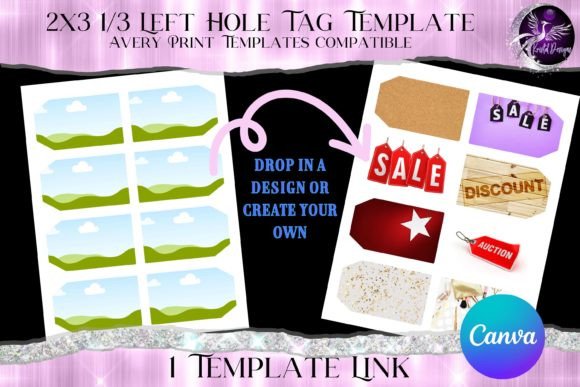
In the world of tangible marketing and gifting, the details matter. A product label or a gift tag isn't just a piece of paper; it's a physical handshake between your brand and your customer. Yet, creating these small but mighty design assets can often feel like a chore—wrestling with printer alignment, struggling with complex software, or settling for generic, uninspired options. This is where a practical, well-designed template becomes an indispensable part of your toolkit. The 2x3 1/2 Left Hole Tag Template for Canva is precisely that: a focused solution designed to streamline your workflow and elevate your output, transforming a mundane task into an opportunity for professional branding.
Understanding the Anatomy of an Effective Tag
Before diving into creation, it helps to recognize what makes a tag work. Its power lies in its constraints. The 2x3 1/2 inch size is a familiar, comfortable dimension for human hands, making it ideal for everything from boutique shopping bags to artisan product jars. The left hole punch is a classic, functional feature, allowing for easy attachment with twine, ribbon, or a simple string. This isn't just about aesthetics; it's about usability and customer experience. A well-executed tag feels intentional and premium, directly influencing brand perception and the perceived value of the item it adorns.
This particular template for Canva is built with a clean, modern typography foundation. Its visual personality is one of clarity and versatility. It doesn't scream for attention with overly ornate script font styles or a complex serif font family. Instead, it often employs a balanced sans serif font or a straightforward display font, ensuring that your customized text—the brand name, the "Thank You," the price—remains the hero. This approach to modern typography means the template serves as a blank canvas, ready to absorb your unique brand identity through color, texture, and complementary design elements.
Practical Applications Across Creative Fields
The true value of a resource like the 2x3 1/2 Left Hole Tag Template is its sheer adaptability. It’s a design asset that earns its keep across countless projects. For the small business owner, it becomes the backbone of consistent packaging design. Imagine a cohesive set of tags for a candle line: one for the product scent, another as a "Hand Poured With Care" note, and a third for special holiday editions. The template ensures every tag has the same professional feel, reinforcing brand recognition with every sale.
For the crafter or hobbyist, it simplifies the creation of personalized touches. Wedding favor tags, holiday gift labels, or organizational tags for a pantry or craft room become effortless. Entrepreneurs and marketers can leverage it for event marketing—think branded tags for conference swag bags, product launch details, or unique business card alternatives that literally tie into the product. Even in editorial design or for bloggers, these tags can be styled as props for flat-lay photography, adding a branded, tactile element to visual content for social media graphics.
Maximizing Readability and Brand Consistency
A tag has mere seconds to communicate its message. Therefore, readability is non-negotiable. The template’s strength lies in its clear visual hierarchy. The most critical information—usually the brand name or key message—should occupy the primary space, using the template’s suggested font at a size that’s effortless to read. Supporting details can use a lighter weight or smaller size. This careful management of visual hierarchy guides the viewer’s eye exactly where you want it to go, ensuring your message is understood instantly.
Consistency is the other pillar of professional design. By using the same 2x3 1/2 Left Hole Tag Template across all your products, you create a unified system. This repetition builds brand recognition. Customers begin to associate that specific shape, layout, and color scheme with your business. It signals organization, attention to detail, and professionalism—qualities that directly impact audience engagement and trust. Whether you’re using it for logo design reinforcement on a hang tag or for clear pricing on product labels, this consistency is what separates amateur efforts from polished brand presentations.
Integrating the Template into Your Design Workflow
Getting started is straightforward, which is part of its appeal. After accessing the Canva link, you’re not just handed a static file. You receive a live, editable design space. This is where the real customization happens. You can effortlessly swap the placeholder text for your own, using Canva’s vast library of fonts. While the template may suggest a creative font, you can test font pairing—perhaps matching a bold sans serif font for the headline with a lighter weight for the details. You can change colors to match your brand palette, upload your own logo or graphics, and even add subtle background textures.
A key piece of advice: always do a test print before committing to a full batch. Print a single sheet on the paper or cardstock you plan to use. This allows you to check for true-to-screen color, ensure text remains crisp and legible at the final size, and confirm that the hole punch alignment works with your chosen binding method. The template’s high-resolution format is designed for print, but paper choice and printer settings are variables you control. This step ensures your final tags look exactly as professional as you envisioned, solidifying your brand identity in the physical world.