Elevate Your Product Display: The Smartphone Flatscreen Canva Mockup
In the world of digital marketing and e-commerce, presentation is everything. You can have a superior product, a groundbreaking app interface, or a stunning piece of graphic design, but if the presentation is flat or unprofessional, it fails to capture the attention of your audience. This is where the concept of mockups becomes vital. Specifically, the Smartphone Flatscreen Canva Mockup has emerged as an indispensable tool for creators who need to showcase their work without the steep learning curve of professional 3D software. It is not just a static image; it is a dynamic canvas that bridges the gap between your raw design and a polished, market-ready visual.
Visual Characteristics and Design Appeal
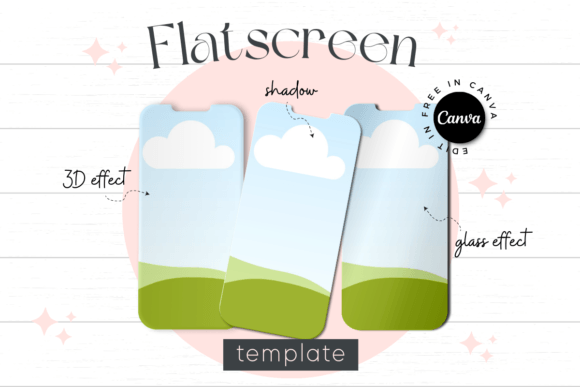
When we talk about the Smartphone Flatscreen Canva Mockup, we are discussing a specific aesthetic that aligns with modern web design and brand identity standards. The term "flatscreen" implies a clean, high-resolution representation of a device without heavy bezels or distracting background noise. The visual personality of these templates is defined by minimalism and clarity. They often feature sharp lines, realistic lighting, and neutral color palettes that allow the subject matter—your design—to take center stage.
The appeal lies in its versatility. Unlike older, clunky mockups that looked artificially rendered, a high-quality Smartphone Flatscreen Canva Mockup mimics the texture and lighting of real-world photography. This realism is crucial for social media graphics and editorial design, where the goal is to stop the scroll and invite the viewer to engage. The style is inherently modern, reflecting the sleek hardware of current smartphones, which signals to your audience that your brand is current, tech-savvy, and detail-oriented.
Practical Applications: From Branding to Marketing
The utility of a Smartphone Flatscreen Canva Mockup extends far beyond simple portfolio display. For entrepreneurs and small business owners, this tool is a bridge to professional-grade marketing materials. Consider the needs of an app developer: they need to show their user interface (UI) in action. By placing their UI design into a smartphone mockup, they transform a flat screenshot into a tangible product experience. This is vital for pitch decks, investor presentations, and app store listings.
For marketers and content creators, the applications are equally broad:
- Social Media Campaigns: Creating ads for Instagram or Facebook often requires showing the mobile experience. A Smartphone Flatscreen Canva Mockup allows you to demonstrate a mobile landing page or a social profile directly within an ad creative, providing context and increasing click-through rates.
- Website Headers: Web design agencies frequently use these mockups on their homepages to display responsive design capabilities. It proves to potential clients that the designs look good on the devices people actually use.
- Digital Magazines and Blogs: Publishers can use these templates to illustrate articles about technology, lifestyle, or digital trends. Instead of just describing an app, they can show it in a realistic setting.
- Packaging and Print: While digital-first, these mockups are also useful for packaging design when creating instruction manuals or "scan this QR code" visuals that need to look integrated with a mobile device.
The ability to use these assets for both personal projects, like a hobby blog, and commercial projects, like a client’s product launch, makes the Smartphone Flatscreen Canva Mockup a highly efficient design asset.
Streamlining the Workflow: No Photoshop Required
Historically, creating high-quality mockups required expensive software like Adobe Photoshop and a working knowledge of layers, smart objects, and masking. This created a barrier for crafters, hobbyists, and bloggers who may not have technical design training. The shift to Canva-based templates has democratized this process.
The workflow for a Smartphone Flatscreen Canva Mockup is designed for efficiency. The process is straightforward: you purchase the template, receive a PDF with a direct link, and open it in Canva. Once the link is activated, the template uploads to your account. The "drag and drop" functionality is the core feature here. You simply upload your image—be it a logo design, a website screenshot, or a piece of editorial design—and place it into the designated frame. Canva automatically clips the image to fit the screen dimensions.
This method preserves the integrity of the design. You do not need to worry about perspective distortion or shadow layers because the Smartphone Flatscreen Canva Mockup template creator has already handled the complex 3D rendering. You are merely replacing the content. This allows for rapid iteration; you can create ten different variations of a social media post in the time it would take to render one in traditional software.
Enhancing Brand Perception and Consistency
Using a Smartphone Flatscreen Canva Mockup is not just about saving time; it is about controlling brand perception. Consistency is a key pillar of brand identity. When a brand uses high-quality, cohesive imagery across its platforms, it signals professionalism and reliability. Conversely, pixelated screenshots or poorly cropped images can make a brand look amateurish.
By utilizing a consistent style of mockup—perhaps always using a specific angle or lighting condition found in your chosen Smartphone Flatscreen Canva Mockup—you build a recognizable visual language. This aids in visual hierarchy, guiding the viewer's eye to the most important information. For example, a marketer might use a mockup to highlight a specific feature of an app, using the device frame to contain the viewer's focus.
Furthermore, this approach influences audience engagement. People are visual creatures; we process images faster than text. A realistic depiction of a smartphone screen helps the viewer project themselves into the scenario. They can imagine themselves holding that phone and using that app or viewing that website. This psychological connection is a powerful tool in conversion optimization.
Integration with Typography and Design Strategy
While the Smartphone Flatscreen Canva Mockup focuses on imagery, it works in tandem with your typographic choices. In modern typography, the interplay between text and image is critical. A mockup provides the visual anchor, while your typeface provides the voice.
When designing a composition using a smartphone mockup, you might pair it with a bold display font for headlines or a clean sans serif font for body copy. The mockup itself acts as a neutral vessel, meaning it pairs well with almost any font style, whether it is a classic serif font, a fluid script font, or a casual handwritten font. The key is to ensure that the text surrounding the mockup complements the content displayed on the screen.
For designers creating a style guide or brand identity package, including mockups is a best practice. It shows clients how the brand elements look in a real-world context. Instead of showing a logo in isolation, placing it inside a Smartphone Flatscreen Canva Mockup demonstrates how it functions as an app icon or a mobile header, adding immense value to the deliverable.
Practical Guidance for Selection and Usage
Choosing the right Smartphone Flatscreen Canva Mockup requires a discerning eye. Not all templates are created equal. Here are practical considerations for entrepreneurs and creators:
- Evaluate Realism: Look for templates with high-resolution textures. The glass should look like glass, and the metal frame should have realistic reflections. Low-quality shadows or jagged edges will ruin the illusion.
- Check Device Relevance: Technology dates quickly. Ensure the mockup represents a current or generic smartphone design. Using a mockup of a phone from ten years ago can make your brand look out of touch.
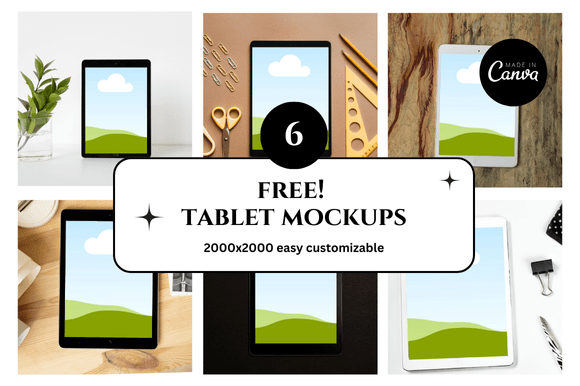
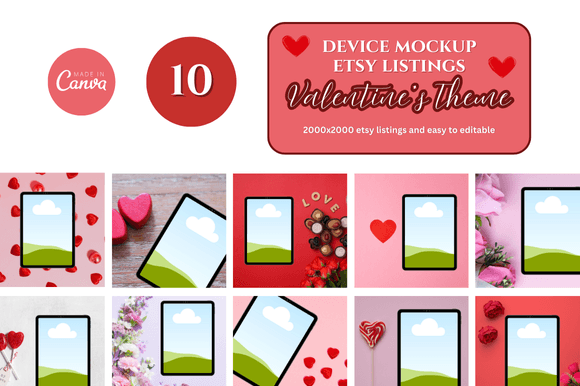
- Consider the Context: Some mockups are isolated on a white background, which is great for web design portfolios. Others feature lifestyle settings, like a phone on a desk or in a hand. Choose the context that matches your project's narrative.
- Test Editability: Before committing to a large project, ensure the "drag and drop" feature works smoothly in Canva. The clipping mask should be precise, and you should be able to change the background color if needed to match your brand identity.
- Licensing: Since you will likely use these for commercial purposes—ads, client work, product listings—verify that the license allows for this. Most premium templates on marketplaces offer commercial licenses, but it is always good practice to check.
Conclusion
The Smartphone Flatscreen Canva Mockup represents a shift in how we approach digital design assets. It empowers designers, marketers, and business owners to produce professional-grade visuals without the overhead of complex software. By integrating these templates into your workflow, you elevate the presentation of your work, strengthen your brand's visual consistency, and ultimately communicate more effectively with your audience. It is a simple tool with profound implications for the quality of your digital presence.